
Finding Brookline Residents by Clue
Start with the thing that is already known: a full name, an address, or a year. For an address, the Town Assessor and GIS establish the parcel, the recorded owner, and the mailing field. For a past household, the Brookline Room’s Street Lists and directory volumes can connect a name to a particular year. A name that also appears in a deed, newspaper item, or town record becomes a stronger match. The Brookline residents directory is therefore a careful comparison of sources, not a single current list.
Each record answers a narrower question. An assessor card identifies the owner or mailing addressee, not everyone inside a building. A deed names parties to a recorded transfer. The statewide voter tool is for an individual checking personal registration status. For historical research, a Street List is often the most direct address evidence because it is arranged by street and covers people age 17 and older.
- Resolve the address in Patriot Properties WebPro or the municipal GIS, and save the parcel ID with the street spelling.
- Check the Norfolk Registry research portal for the recorded transfer trail and try its separate Land Court index when necessary.
- For an older household, compare the nearest Brookline Street List and city-directory volume at the Brookline Room.
- Use newspapers, obituary indexes, town reports, or a case record only when they fit the question and the access rules permit it.
- Send a precise written request to the custodian when the relevant municipal record is not online.
Brookline Offices Behind Resident Records
Brookline records are held at different levels. The Town Assessor connects a parcel to assessment and owner fields. The Town Clerk and Registrars handle municipal records, elections, Street Lists, and local certificate routes. Norfolk Registry of Deeds holds the land record trail. None of these offices maintains a universal list of everyone in town, but together their indexes establish useful, limited facts.
Town of Brookline Assessor
Town Hall, Room 215
Brookline, MA 02445
617-730-2060
Brookline Town Clerk
333 Washington Street, Room 104
Brookline, MA 02445
617-730-2010
The Town Clerk’s service page identifies public-records, election, and town-record responsibilities. It is the right first contact for a defined municipal record that does not appear in an online collection.
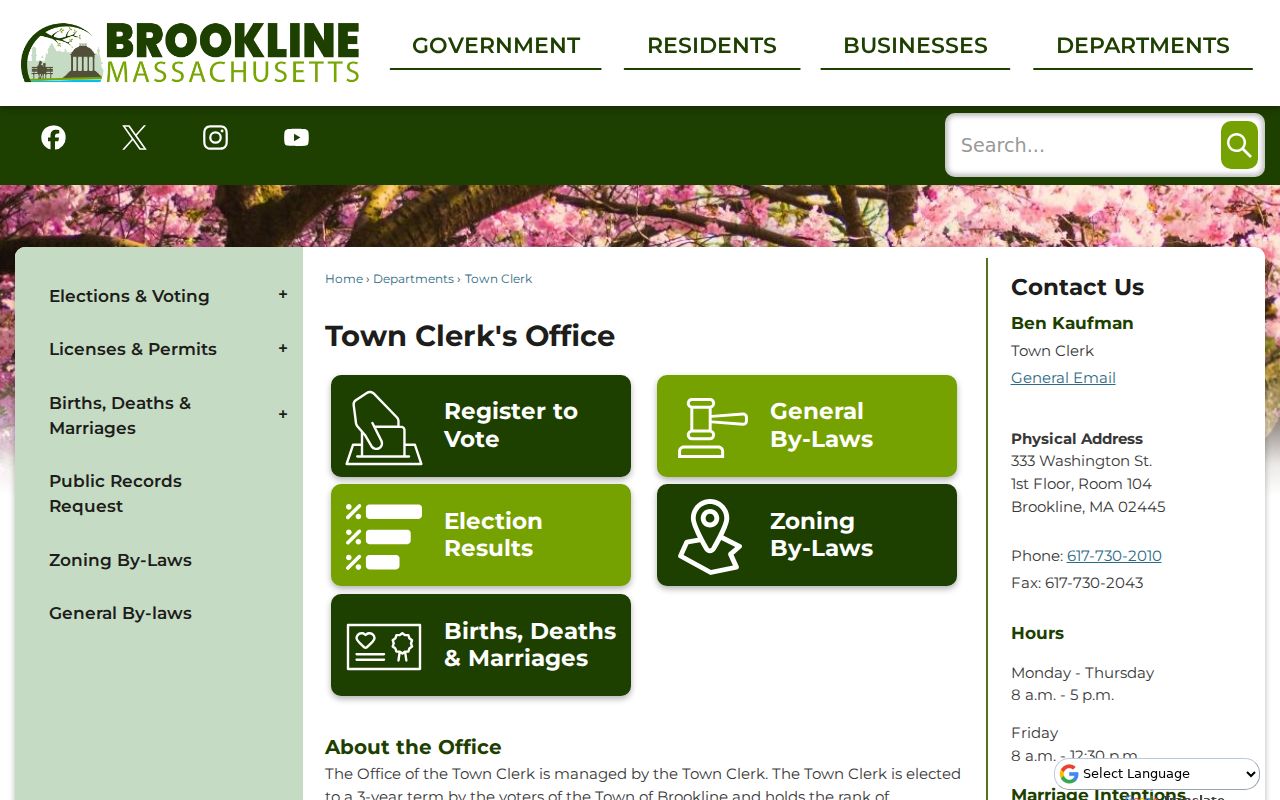
The Clerk’s functions help separate a local-record request from a county deed search or statewide vital-record order.
Brookline Parcel Cards Separate Addresses
The assessor’s WebPro card keeps the situs, or property location, apart from the owner mailing address. It also documents parcel ID, class, legal reference, sale date and price, building traits, values, taxes, and GIS links. That distinction matters in a Brookline residents search: a mailing field may be a post-office box, business, or different city, while an owner name is not proof that the person currently occupies the parcel.
| WebPro field | What it establishes |
|---|---|
| Address or location | The situs used to find the parcel |
| Owner name | Recorded assessment owner, which can differ from an occupant |
| Parcel or map-lot ID | A stable local key for matching GIS and deed research |
| Sale and value fields | Assessment and transaction context, not a resident list |
Patriot Properties WebPro is the official assessment-search starting point. The live interface supports address or owner searching, although the complete button and option labels were not captured in the research.
The Massachusetts voter-information access rules distinguish inspectable fields from fields withheld from public use.
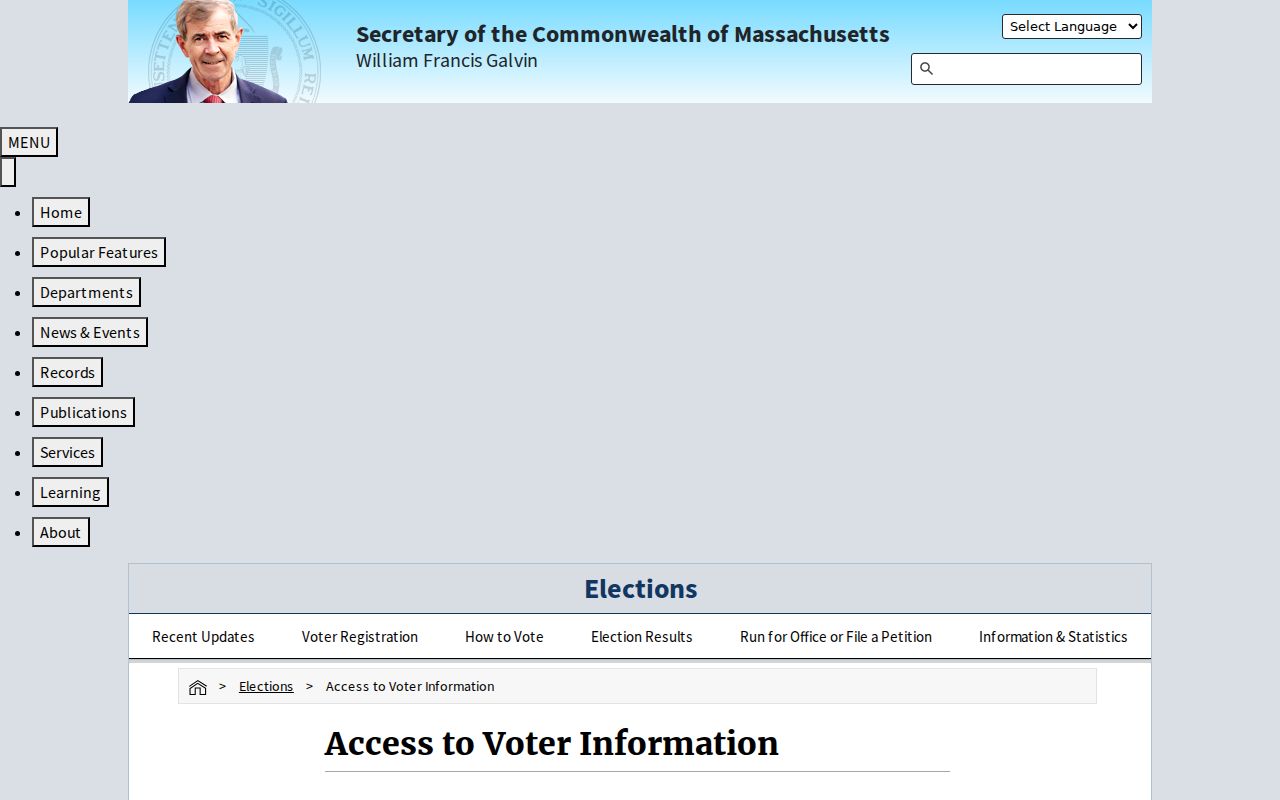
Assessment evidence becomes more useful when it is paired with a dated directory or Street List rather than treated as a current household roster.
- Parcel
- A defined piece of land tracked by the assessor and map system.
- Situs address
- The physical property location, separate from an owner’s mailing address.
- Index
- A finding tool that points to a record, not necessarily the full record image.
- Criss-cross directory
- An address-arranged directory used to work from a street back to names.
Brookline Voter Information Has Limits
Massachusetts law permits defined voter-record fields through local officials, but phone, email, veteran status, permanent-absentee status, confidential-voter information, certain minor data, and some public-safety data are protected. The individual online status form is intentionally narrower than a directory. It requires the voter’s name, full date of birth, residential ZIP, and an individual-use agreement, then returns registration and polling information.
| Status form field | Input | Use |
|---|---|---|
| First and last name | Required text | Identifies the individual voter |
| Date of birth | Required month, day, and year selectors | Separates same-name voters |
| Residential ZIP | Required five digits | Part of the individual status check |
| Agreement checkbox | Required | Confirms the form’s individual-use purpose |
Massachusetts voter status search is useful to the voter, not as a name-only resident lookup. Historic Brookline Street Lists held by the library offer the address-arranged local route, subject to their own scope and access limits.
The individual form’s required fields illustrate why it cannot replace a public street-by-street roll.
Norfolk Deeds Build a Brookline Trail
Norfolk Registry of Deeds dates its land-record operation to 1793. Its online research covers Recorded Land from 1793 forward, while Land Court records begin in 1900 and are separately indexed. Begin with the current owner or address, inspect the latest deed, then search the named prior grantor to move backward. A deed provides a recorded party, recording date, legal description, and document reference. It does not prove present residence.
The Registry offers free online viewing and printing with a “Not an Official Copy” overlay. A free login permits clean-image printing; the Registry also describes an annual subscription and per-page document use. Certified and mailed copies follow separate fee routes. Plans can be searched by street, owner, plan number or year, Book/Page, and surveyor when a parcel edge or subdivision needs explanation.
Note: Search both Recorded Land and Land Court before treating a missing web result as a missing ownership trail.
Current Brookline Resident Directory Sources
Current Brookline sources have different coverage. The strongest result states the kind of record returned, not a broader claim about a household. A parcel card reports ownership and mailing data. A deed index reports recorded parties. The Town’s community layers show neighborhood context but are not a roster of each resident. A one-name question requires the same sources in a careful verification order.
| Brookline source | People connection | Custodian | Access |
|---|---|---|---|
| Assessor WebPro and GIS | Recorded owner, co-owner, mailing and parcel fields | Town Assessor and GIS | Public municipal search/map |
| Annual Street List | Persons 17+ at address in a dated local publication | Registrars and Brookline Room | Library and historical routes |
| Norfolk deed index | Grantors, grantees, and recorded transfers | Norfolk Registry | Online index and counter |
| Community organizations | Named area and group context | Town community pages | Not a verified member roster |
A commercial people-finder may combine old records and sold data, but it cannot make an unsupported result current. Official custodians, dated source images, and two independent matches are more reliable for family history, reconnecting, estate, and neighborhood questions.
Brookline Courts and Vital Events
The Massachusetts Trial Court docket portal is the online start for a public case question. Its civil name search requires a last name and first name, while criminal cases often need a docket number. Brookline District Court, Norfolk Probate and Family Court, Norfolk Superior Court, and Land Court divide jurisdiction. Sealed, juvenile, impounded, and protected files are not ordinary web results, and a courthouse public terminal or clerk can be the needed next channel.
Vital records are event records, not resident lists. The Town Clerk handles eligible Brookline birth, death, marriage, and residence or voter certificates. State RVRS holds 1936 to present, State Archives serves the 1841 to 1935 research period, and earlier local custody can depend on the event or marriage-intention town. Massachusetts uses the 90-year birth/marriage and 50-year death thresholds, with additional special restrictions.
Massachusetts vital-record ordering guidance describes online, phone, mail, and in-person channels. Brookline’s own Clerk route is often more appropriate for a local qualifying event.
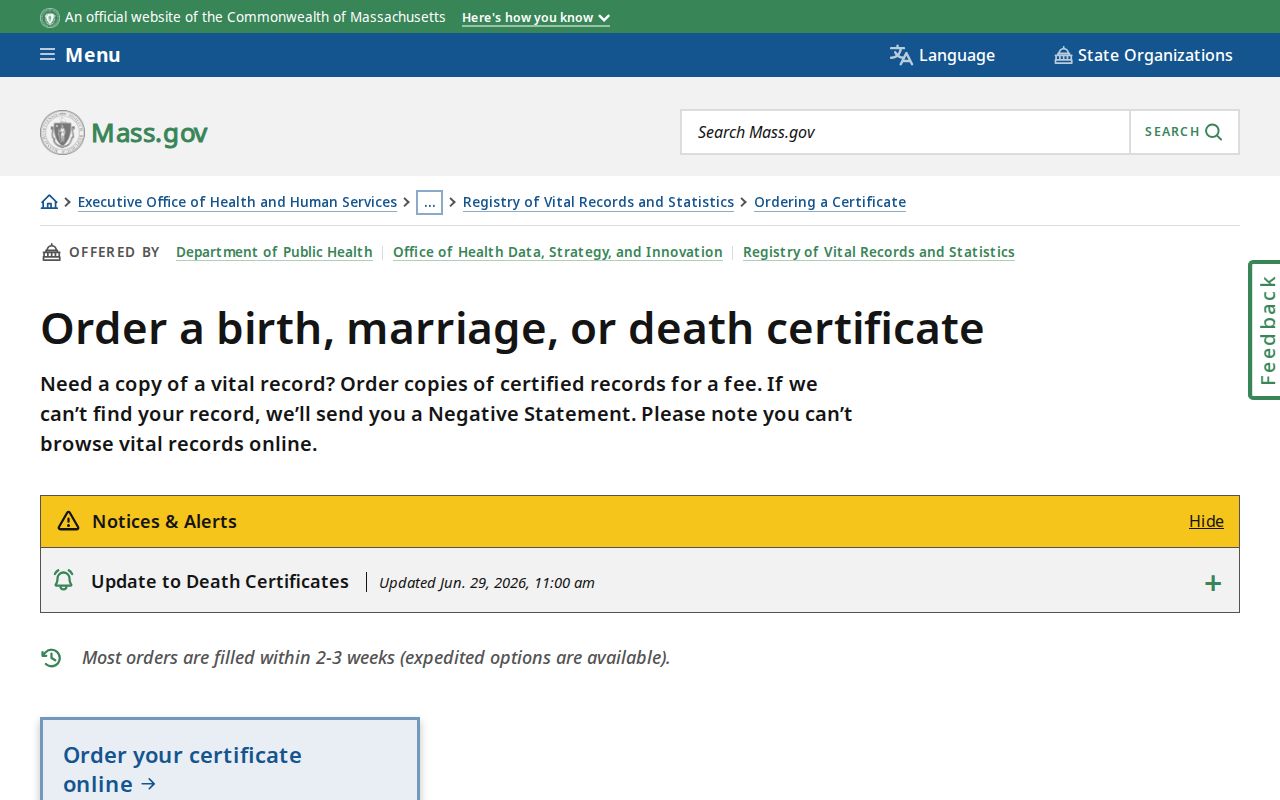
The ordering route confirms an event through the appropriate custodian, rather than supplying a browsable name-and-address file.
Brookline Historical Resident Directories
Brookline’s historical shelf is specific and intermittent. The Brookline Room has city directories for 1875–1889, 1891–1920, 1922, 1924–1932, 1934, 1940, 1944, 1966, and 1968. Street Lists run from 1891 to the present, with some digitized through Internet Archive. Blue Book volumes, yearbooks, tax and poll lists, obituary indexes, and newspapers fill different parts of the record. A blank directory year is a holdings gap, not evidence that a person or home was absent.
The Brookline city directory explains the collection and entry-reading process in depth. For a quick historical check, compare the closest directory and Street List, preserve the printed street spelling, then test the result against a deed, map, newspaper, or town report.
Brookline Public Library local history is the research desk for the Room, local indexes, newspapers, maps, and licensed genealogy tools.
For a defined municipal record, use the Town of Brookline public-records request route rather than assuming that a historical collection is online.
Historical sources may be online, on microfilm, or in a reference collection, so a no-hit web search is not the end of the local trail.
Brookline Street Names Change Searches
Old Brookline records can use street forms that no longer match a modern address. Worcester Turnpike became Boylston, Cross Street became Hammond, and road and development history affects how the address appears in maps and directories. Local-history material also reports that Brookline Avenue and Longwood Avenue numbers were changed after the 1890 Blue Book period to align with Boston town-line addressing. Treat that as a lead to verify in the relevant volume and map, not a ready-made conversion rule.
Harvard Avenue supplies a concrete reason to check physical sources. A house at 66–68 Harvard was built about 1847 and moved in 1893. Deeds, atlas sheets, Sanborn maps, and the house-history files can therefore resolve a building trail that a simple modern number cannot. The full address method belongs on the Brookline street directory page.
Brookline ZIPs Need Parcel Checks
Brookline’s three core postal ZIPs are 02445, 02446, and 02467, but postal geography is not municipal geography. Chestnut Hill spans Brookline, Boston, and Newton. Official Brookline maps also show border appearances for 02135 and 02215, while 02447 is observed on municipal post-office-box mailings rather than established as a general street ZIP. Check the full address with USPS, then compare the municipal GIS and parcel location.
That extra check keeps a postal city, municipal boundary, situs address, and parcel from being treated as the same fact. It also prevents a directory match from being assigned to Brookline simply because a border ZIP appeared in a source.
Brookline Programs Protect Addresses
Massachusetts public-records law, Chapter 66, §10, permits written requests for defined records and generally calls for an initial response within 10 business days. It does not override separate confidentiality statutes. Confidential voters, certain public-safety records, protected vital data, juvenile and sealed court material, RMV data, and Address Confidentiality Program addresses have their own rules. Agencies may redact exempt material and may require a clear date range or record description.
When an online index does not supply the needed item, choose the channel that keeps the record. The Town Clerk accepts written municipal requests at Room 104 and through the Town request route. The Registry has online research, a Dedham customer center, phone support, mail copy procedures, and a Records Access Officer form. Courts may require the clerk or a public terminal for a file, while the Brookline Room, State Archives, and Historical Society serve different historical materials. A request should name the custodian, record type, relevant name or parcel, date range, and preferred electronic format. That detail also helps the office separate a searchable public record from material that is restricted by law.
The Address Confidentiality Program supplies a substitute address and mail forwarding to qualifying survivors who recently relocated. It does not erase every prior disclosure, but it prevents the actual address from being released through ordinary public-record channels. A protected or missing result should never be used to draw conclusions about someone’s location.
Note: A precise request naming the record, office, date range, and desired format is more likely to reach the proper Brookline custodian.
Brookline Records Projects Are Still Pending
Brookline reported a vital-record digitization project intended to create a searchable birth, death, and marriage card index and reduce staff time in the vault. The 2025/2026 report marked the project “Not Started” despite budget obligations and expenditures. It is a plan for better retrieval, not evidence that a public online card index already exists. The Town Clerk’s planning materials also described work to organize older records, voter files, and by-laws.
Those projects are useful context when a researcher encounters an offline route. Use the Town Clerk, RVRS, State Archives, or Brookline Room according to the record’s date and custody instead of assuming a digitization announcement made all records searchable.
Brookline Specialized Lookup Systems
Some records belong to systems with a specific purpose. Massachusetts DOC instructions point to a correctional locator, and the Sex Offender Registry Board has its own public-information and request rules. These sources are not general resident directories, and an absence from either does not establish that no person or record exists.
Massachusetts DOC locator instructions describe the program’s scope and search route.
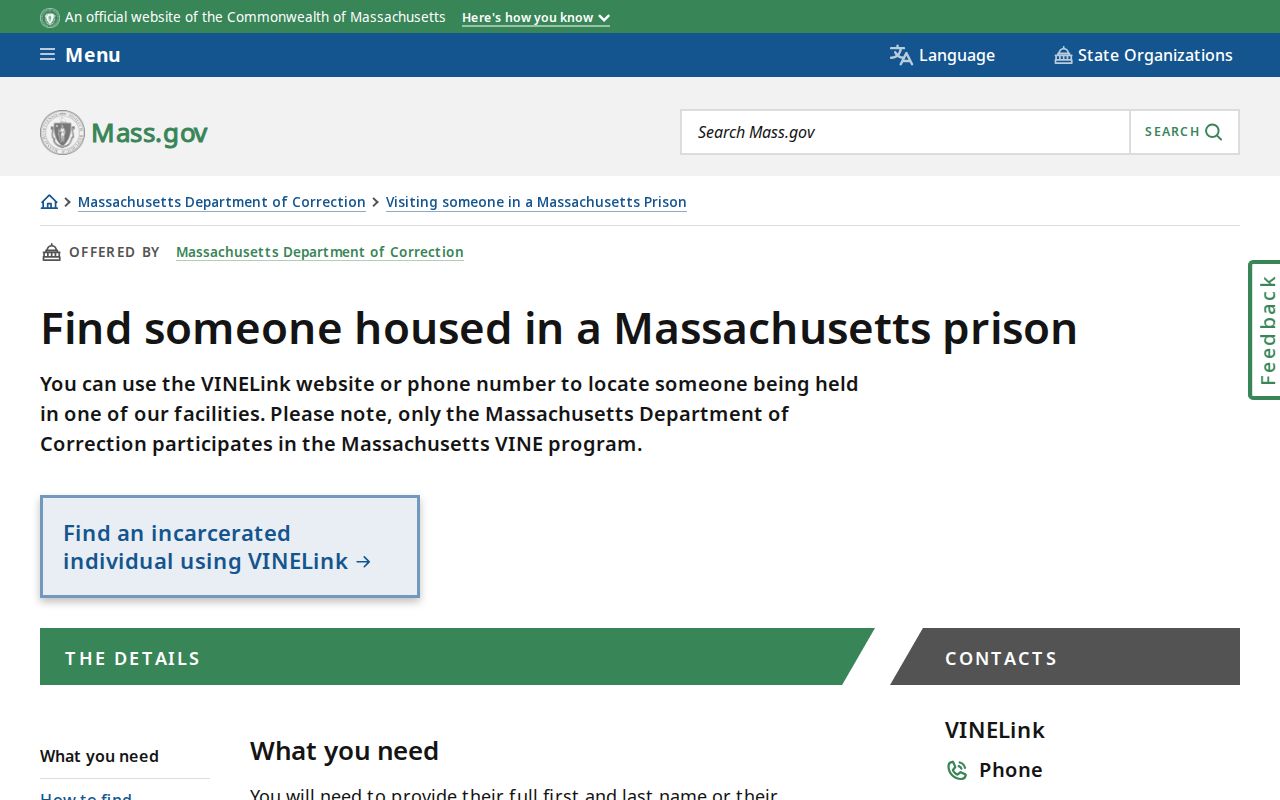
The correctional route is separate from the property, library, and court sources used for ordinary Brookline research.
SORB public-information guidance likewise explains a distinct statutory system and its classification limits.
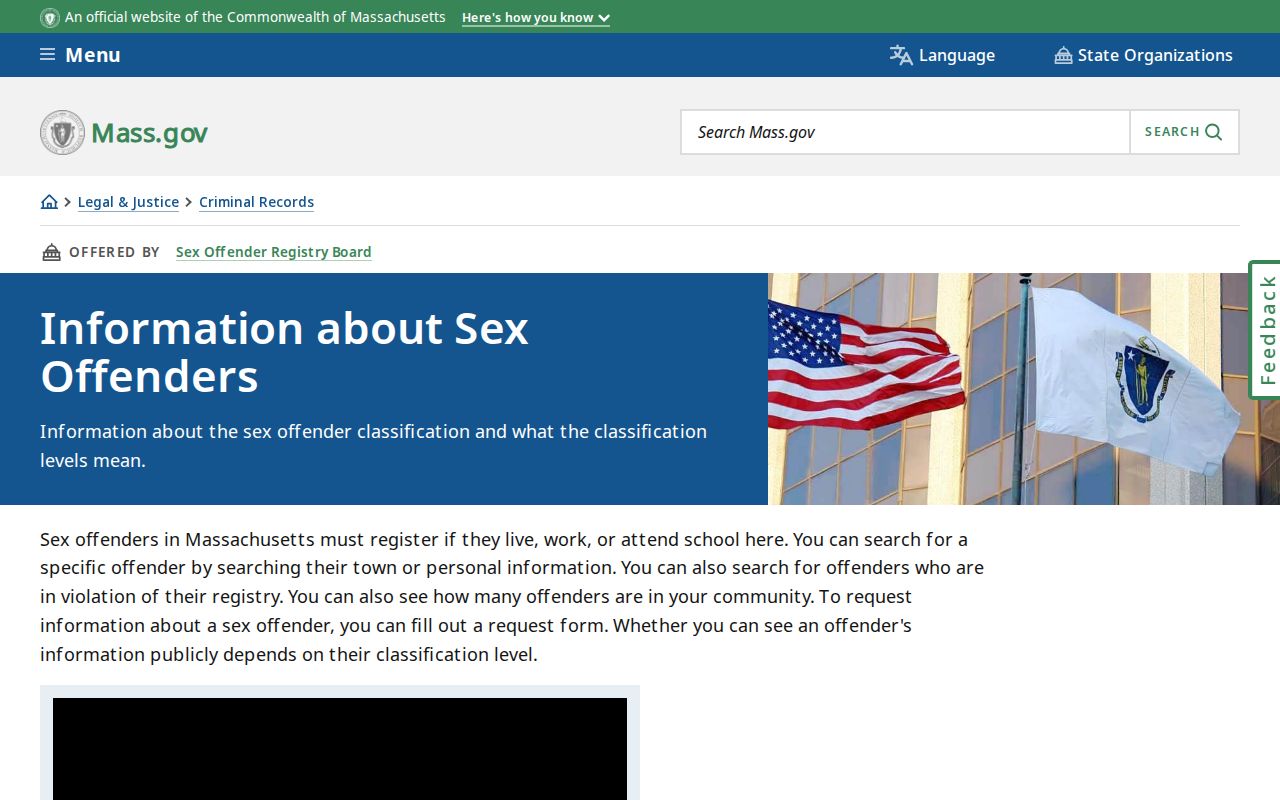
Use the SORB route only for its stated public-information purpose and respect the limits attached to its results.
Brookline Entity Records Add Context
A Massachusetts corporate filing can connect an entity to officers, managers, signatories, a registered agent, or a business office. It is useful when the question is about an entity or its public filing, not when trying to prove a person’s residence. Brookline’s Town Clerk also handles assumed-name filings, but a DBA is an assumed business-name record rather than a general operating-license or household index.
The Massachusetts corporation search offers entity, individual-name, identification-number, and filing-number routes. Match the result to the filed record and date before using it as context for a property or historic directory result.
Entity search results complement a carefully dated Brookline record trail but do not supply occupancy evidence.